
Key Takeaways:
-
Delta-9 is the most common form of THC.
-
THC is the naturally occurring cannabis compound known for the ‘high’ experience.
-
Other varieties of “deltas” may be synthetic alternatives.
With the combo of widespread legalization and normalization of cannabis across the US, it’s easy to get overwhelmed by buzzwords. What are all these deltas on the label? How is delta-9 different from delta-8, 10, or THCa, for that matter? Why are we slapping these extra letters on the end of “THC” anyway? There’s no shame in being a little confused, and there’s definitely no shame in being curious about what goes into the gummies you’re eyeing before you decide to eat them.
To put it simply, delta-9 is the most popular and abundant form of THC, the naturally occurring compound found in cannabis and hemp plants that makes you feel high. If you take one thing away from this article, that’s it! But of course, we can get a lot more granular, so stick around to learn exactly what delta-9 means for your favorite gummies and beyond.
What Is Delta-9?
You can’t have a discussion about delta-9 without asking, “Is delta-9 the same as THC?” The short answer is: yes. Delta-9 is a form of THC, which is (in our humble opinion!) one of the most important parts of the cannabis plant.
So what is THC, then? Tetrahydrocannabinol (aka THC) is a type of cannabinoid, which is a compound that naturally occurs in the hemp plant. In fact, THC is super important to fans of getting a little lofted; it’s a naturally psychoactive cannabinoid, and overwhelmingly responsible for making you feel high when you take a THC gummy or otherwise consume THC products.
In a shorthand sort of way, you can consider delta-9 the “default” variety of THC, or the active ingredient of your high.
Where Does Delta-9 Come From?
Delta-9-tetrahydrocannabinol, which we’ll just call delta-9 for everyone’s sanity, occurs in both hemp and marijuana plants. While these two are essentially varieties of the same species, the main difference between them is that hemp contains 0.3% or less of THC, while marijuana contains more THC. With modern distillation techniques, however, delta-9 can be naturally extracted from either plant variety, offering the same effects to users. (To learn more about hemp-derived THC, check out our deep dive here.)
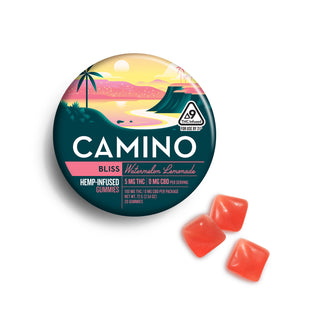
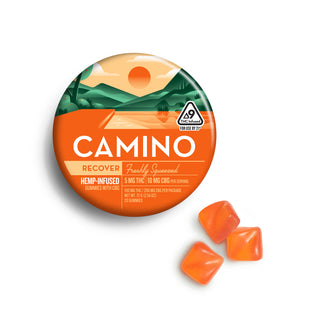
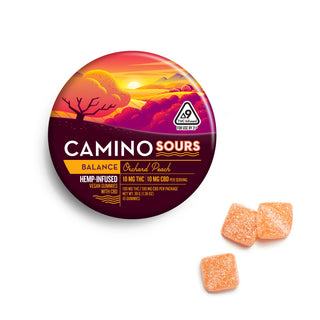
For instance, the Camino gummies you can shop on this site all feature hemp-derived THC. So when you pop a Camino, you’re getting naturally derived THC that has the same effect as “regular” THC (like what you’d find when smoking a joint). It’s all delta-9, baby.
Delta-9’s Effects
Like we said, delta-9 is the primary form of THC, and THC is the part of cannabis that makes you feel high. While the effects of THC may vary based on the strain of the plant, dosage, delivery method, and all sorts of physiological variables — from your tolerance level to your height and weight to your genetics — here are a few ways delta-9 might make you feel.
-
Relaxed
-
Euphoric
-
Giddy or giggly
-
Focused
-
Sensorially heightened
-
Timey-wimey (meaning, you may feel an altered perception of time’s passage)
Delta-9 also offers a host of other potential effects, especially when combined with specifically curated terpene profiles. That’s how we formulate our Camino gummies to help send you into dreamland, give you a sense of euphoria, or give you the nudge you need to shake off the day and really unwind, among other perks. (As always, your mileage may vary.)

Delta-9 in Comparison
Alright, so now that you know what delta-9 THC is, let’s get back to all those other confusing labels you might find on cannabis products. Here’s how Delta-9 compares to other commonly used compounds you’ll see online or at your local dispensary:
-
Delta-8. When delta-8 occurs in nature, it shares a virtually identical chemical formula with delta-9. But here’s the thing: while delta-9 occurs in the cannabis plant in abundance, delta-8 occurs only in tiny amounts in nature. That means when you see delta-8 on weed products, that delta-8 is most likely a synthetic version of the compound.
-
THC-O acetate. Speaking of synthetics, THC-O is a synthetically produced version of delta-9. In general, synthetics like THC-O should be approached with caution, as their risks have not been as widely studied, and regulation remains loose.
-
THCa. When it comes to THCa vs. delta-9, it’s a similar story. THCa occurs in very small amounts in nature in hemp and marijuana plants. It’s converted into a more delta-9-THC-like compound when it's heated, though it doesn’t have any psychoactive effects, which means it won’t get you high unless it’s heated.
-
Delta-10. Prepare to be shocked, but delta-10 is another cannabinoid that only occurs naturally in trace amounts in cannabis plants. It’s often replicated in a lab to imitate the effects of THC – so like delta-8, THC-O, and THCa, there’s a good chance it’s synthetic if you see it on a label.
Frequently Asked Questions
By now, one thing’s crystal clear: if you want a natural high, stick with delta-9 products. But what about those other lingering questions? Let’s cover those for the delta-C out there (that means delta-curious, and yes, we just made that up).
Is Delta-9 the same as THC?
Yes! People frequently Google stuff like “Delta-9 vs. THC” and “Delta-9 vs. weed,” but there’s simply no “versus” to it. Delta-9 is THC, and it naturally occurs in cannabis plants like hemp and marijuana.
Is Delta-9 synthetic?
No, delta-9 occurs naturally as a THC compound in hemp and marijuana plants. Other compounds, like delta-8 and delta-10, only occur in trace amounts naturally and are often reproduced synthetically. (Delta-9 can also be produced synthetically by converting CBD—though reputable brands like Camino don’t go this route to produce their products.) As a general rule, look for THC products that have easily accessible lab results, so you know exactly what you’re getting into, and be wary of synthetics, which are often an understudied, under-regulated sector.
How much delta-9 gets you high?
This can be a little different for everybody, but most gummies tend to fall in the 5mg to 10mg of delta-9 THC range. For newcomers, even half of a low-dose gummy – so about 2.5mg or less – can be enough to feel the effects, while veterans may choose to pop a full 10mg gummy to get high.
Be wary of brands claiming their products have a lot more THC than 5mg to 10mg per serving. All hemp products are required to have doses of THC equivalent to .3% or less of the volume of the product, which means that companies advertising gummies or other edibles that are supercharged with THC may not be operating above board. As always, we recommend buying from brands that prioritize transparency and make the certificates of analysis for their products easy to find.
Want to try naturally hemp-derived delta-9 THC for yourself? We know just the place to start.
Dan is a freelance writer, small business owner, and full-time creative living in Dallas, TX. In 15 years of writing, he’s been fortunate to collaborate with companies and publishers like Cannabis and Tech Today, Healthfully, Salon.com, ArtBase, The Seattle Times, USA Today, SF Gate, and many more.
Sources
Healthline - What to Know About Delta-9 and Tips for Use
ARA Medical Cannabis Institute - What Is the Difference Between Hemp and Marijuana?
WebMD - THCA (Tetrahydrocannabinolic Acid)
USA Today - Delta What? Here’s How to Understand the Difference Between Delta 8, 9, and 10